Laser Skin Resurfacing
Laser skin resurfacing is a popular procedure used to improve the appearance of your skin. Whether you’re looking to reduce wrinkles, acne scars, or sun damage, this treatment can help. Many people search for ways to rejuvenate their skin and enhance their appearance, making this topic relevant for anyone considering a skin makeover. In this blog, you will learn the basics of laser skin resurfacing, the types of lasers used, and what to expect during the treatment.
What is Laser Skin Resurfacing?
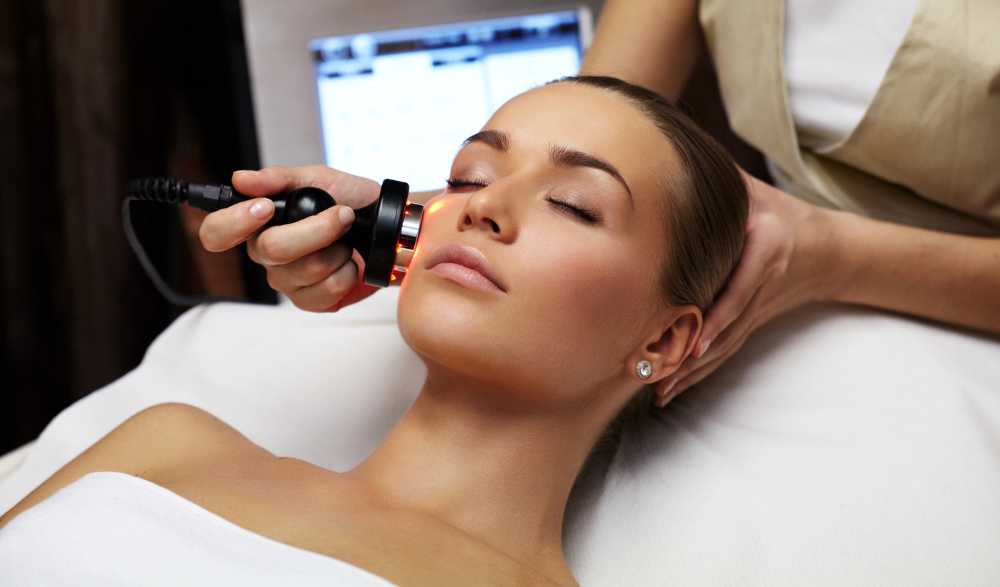
Laser skin resurfacing uses concentrated light beams to remove damaged skin layers. This procedure helps your skin look younger, smoother, and more even in tone. By stimulating collagen production, it can improve texture and reduce the appearance of scars, wrinkles, and age spots.
Why it’s Important:
- It targets specific skin issues like fine lines, wrinkles, and acne scars.
- It promotes skin regeneration, offering long-lasting results.
- It can be customized based on your skin type and concern.
Types of Lasers Used in Skin Resurfacing
There are two main types of lasers used for resurfacing: ablative and non-ablative.
- Ablative Lasers: These lasers remove the outer layers of skin, helping with deep wrinkles, scarring, and skin texture. CO2 and Erbium lasers are common in this category.
- Non-Ablative Lasers: These lasers work beneath the skin’s surface, stimulating collagen without removing layers. They are ideal for fine lines, pigmentation, and mild wrinkles. Examples include fractional lasers.
Key Differences:
- Ablative lasers work faster but require more downtime.
- Non-ablative lasers are gentler and have a shorter recovery time.
What to Expect During the Treatment
Laser skin resurfacing is typically an outpatient procedure. Here’s what you can expect:
- Before the Procedure: You’ll receive a topical numbing cream to reduce discomfort. If you are undergoing an ablative procedure, local anesthesia might be used.
- During the Procedure: The laser is directed at the targeted skin area. The treatment can take anywhere from 30 minutes to two hours, depending on the size of the area.
- After the Procedure: Your skin may appear red or swollen. This is normal and will subside within a few days.
How Long Does It Take to Recover?
Recovery time depends on the type of laser used. For ablative lasers, you might need about 1 to 2 weeks for the skin to heal. In the case of non-ablative lasers, recovery is faster—usually around 3 to 7 days.
Tips for Recovery:
- Avoid direct sun exposure for at least 4 to 6 weeks.
- Use sunscreen regularly to protect the new skin.
- Keep the treated area moisturized to prevent dryness or peeling.
Benefits of Laser Skin Resurfacing
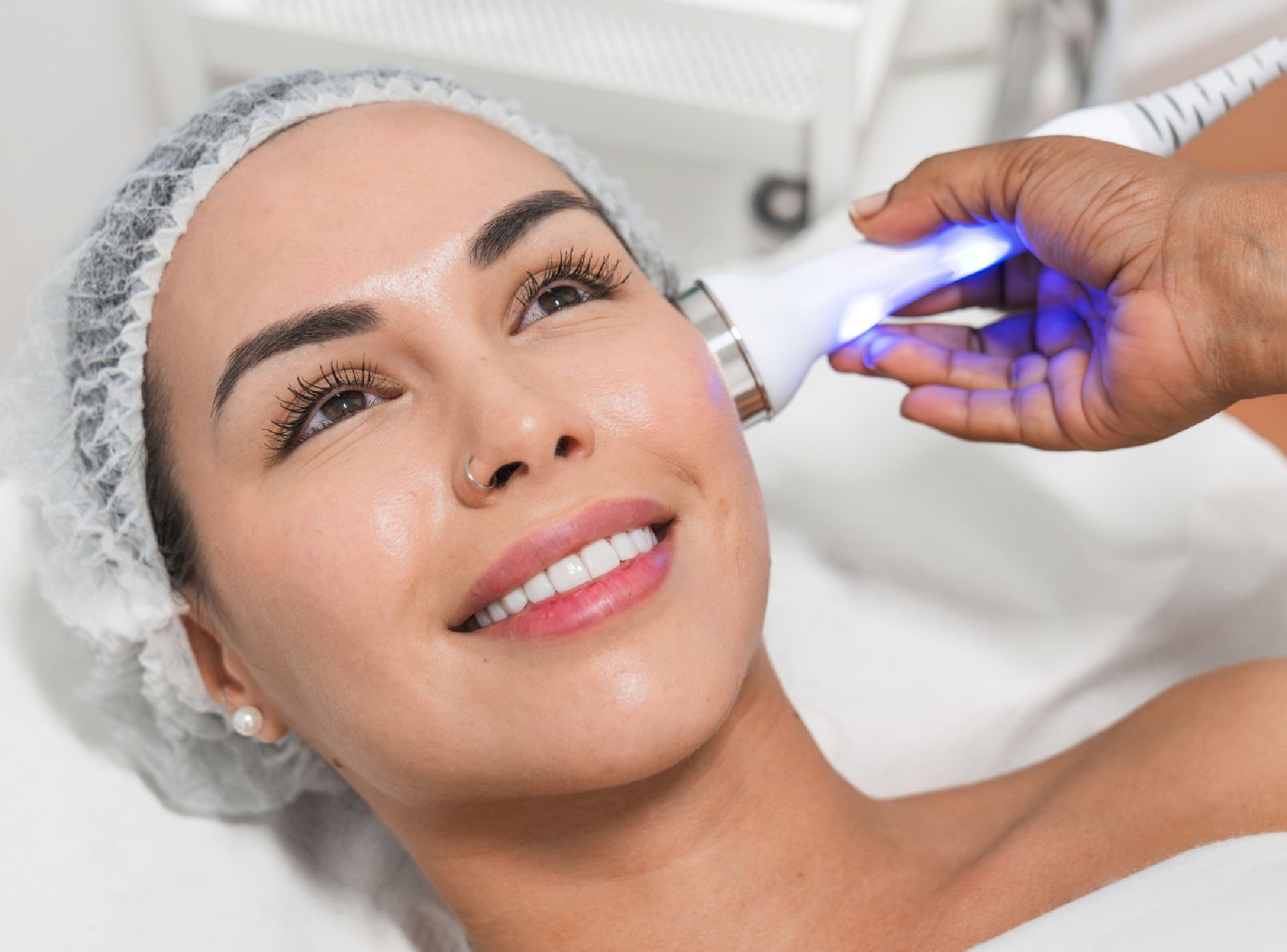
Laser skin resurfacing offers several benefits for those looking to rejuvenate their skin.
- Reduces Wrinkles and Fine Lines: It targets the skin’s deeper layers to smooth out lines around the eyes, mouth, and forehead.
- Improves Skin Tone: It can reduce pigmentation, age spots, and sun damage, leaving your skin more even.
- Scar Treatment: Whether from acne or injury, lasers can reduce the appearance of scars, promoting a smoother texture.
- Stimulates Collagen: Collagen is essential for youthful skin, and laser treatments encourage its production for long-term skin health.
Who is a Good Candidate for Laser Skin Resurfacing?
While most people can benefit from laser skin resurfacing, some are better suited for the treatment than others.
Ideal Candidates:
- People with fair skin and lighter hair generally have the best results.
- Those with realistic expectations who understand the procedure and recovery process.
- Individuals with fine lines, sun damage, mild scarring, or uneven skin tone.
Not Recommended For:
- Those with darker skin tones may risk pigmentation changes.
- Individuals with active acne or certain skin conditions may need to wait until the issue is treated.
Risks and Side Effects
Like any procedure, laser skin resurfacing comes with potential risks. These include:
- Redness and Swelling: Common after treatment, especially with ablative lasers.
- Hyperpigmentation: In some cases, the skin can become darker.
- Scarring: Rare but possible if not treated properly.
- Infection: There’s a small risk if aftercare instructions aren’t followed.
To minimize these risks, it’s important to choose an experienced provider and follow post-treatment guidelines closely.
Results and Long-Term Care
After your skin has healed, the results of laser skin resurfacing are noticeable. You’ll notice smoother, younger-looking skin with reduced wrinkles and scars. The results can last for several years, but maintaining healthy skin through regular skincare is essential.
Tips for Maintaining Results:
- Follow up with regular facials or skin treatments.
- Stay hydrated and use a moisturizer suited for your skin type.
- Protect your skin from the sun to prevent premature aging.
Skinzone Clinics: Your Trusted Skin Care Partner
Skinzone Clinics, located in Borivali, Mumbai, offers specialized dermatology, aesthetic, and trichology care with a focus on evidence-based results. At Skinzone, we believe in delivering personalized treatments for long-term skin health and natural-looking results.
Our services include:
- Medspa care such as HIFU, Microdermabrasion, Skin Polishing, Anti-Ageing treatments, HydraFacial, and more.
- Botox and dermal fillers like Derma Fillers, Botox, and Thread Lift.
- Comprehensive skin and hair treatments addressing concerns like pigmentation, acne, hair loss, vitiligo, and more.
- Laser procedures including hair removal, pigmentation treatment, and fractional skin resurfacing.
- IV therapies with Glutathione, Vitamin C, and Multi Complex Vitamins.
FAQs about Laser Skin Resurfacing
1. How many laser sessions will I need?
You may need 1 to 3 sessions, depending on the type of laser and the area being treated. Non-ablative lasers typically require more sessions than ablative ones.
2. Is the treatment painful?
Most people feel mild discomfort. Numbing cream is applied beforehand to minimize pain, and the procedure is generally well tolerated.
3. How soon will I see results?
Initial results may appear within a few weeks, with full improvements seen after 3 to 6 months as collagen production continues.
4. Can I wear makeup after the procedure?
It’s best to avoid makeup for the first few days to allow your skin to heal. Afterward, you can use makeup, but be sure to use non-comedogenic products.
5. Can laser skin resurfacing help with acne scars?
Yes, laser resurfacing can significantly improve the appearance of acne scars, especially when combined with other treatments like microneedling or chemical peels.
6. Will the results last forever?
While results are long-lasting, natural aging and sun exposure can affect your skin over time. Protecting your skin with sunscreen and moisturizing can help maintain results.
7. How do I know if I am a good candidate?
A consultation with a dermatologist will help determine if laser skin resurfacing is the right option for your skin type and concerns.
Conclusion
Laser skin resurfacing is an effective and minimally invasive way to address various skin concerns, including wrinkles, scars, and pigmentation. By understanding the procedure, recovery time, and benefits, you can make an informed decision about whether it’s the right option for you. At Skinzone Clinics, our team of experts provides safe, personalized treatments tailored to your needs, helping you achieve healthier, younger-looking skin. Ready to take the next step? Contact us today to schedule a consultation.