Chemical Peels for Acne, Pigmentation & Dull Skin
Many people struggle with acne marks, uneven skin tone, and dull skin. These issues can affect confidence and daily life. Chemical peels have become a popular dermatology treatment that helps improve skin texture and clarity. This treatment removes damaged skin layers and encourages fresh skin growth. In this blog, you will learn how chemical peels work, what skin concerns they treat, and whether they may be right for you.
What Are Chemical Peels?
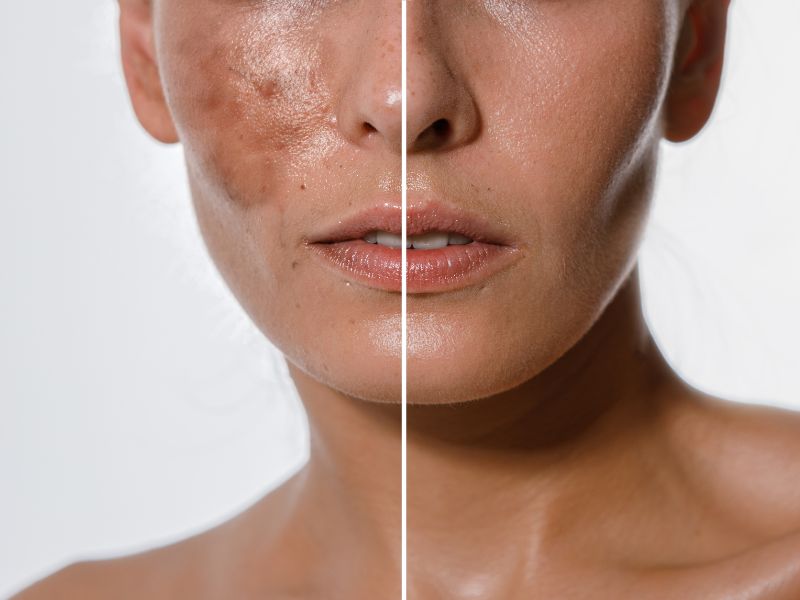
Chemical peels are dermatology treatments that remove the outer layer of damaged skin using safe medical acids. This process allows new skin cells to grow.
The treatment improves skin tone, texture, and brightness.
Common acids used in chemical peels include:
- Glycolic acid
- Salicylic acid
- Lactic acid
- Mandelic acid
- Trichloroacetic acid (TCA)
These ingredients help dissolve dead skin cells and clear clogged pores.
As old skin sheds, new and smoother skin appears. The result is brighter and clearer skin.
How Chemical Peels Improve Skin
Chemical peels work by speeding up the natural skin renewal process.
Your skin constantly sheds old cells and creates new ones. Many factors slow this process:
- Sun exposure
- Pollution
- Aging
- Hormonal changes
- Acne breakouts
When dead cells stay on the surface, skin can look dull and uneven.
Chemical peels help by:
- Removing damaged surface skin
- Clearing clogged pores
- Stimulating new skin growth
- Improving collagen production
This process reveals smoother and healthier skin.
Skin Problems Chemical Peels Can Treat
Chemical peels are used for many skin concerns. Dermatologists choose different peel strengths depending on your skin type.
Common concerns treated with chemical peels include:
Acne and acne marks
- Reduces breakouts
- Clears clogged pores
- Fades post-acne marks
Pigmentation
- Reduces dark spots
- Improves uneven skin tone
- Treats sun damage
Dull skin
- Brightens tired skin
- Improves skin texture
- Restores natural glow
Fine lines and rough skin
- Smooths mild wrinkles
- Improves skin firmness
Many people notice visible improvement after a few sessions.
Types of Chemical Peels
Not all chemical peels are the same. Dermatologists select the peel based on your skin concern.
Superficial Peels
These peels treat the outer skin layer.
They help with:
- Mild acne
- Dull skin
- Light pigmentation
Recovery time is short. Most people return to normal activities quickly.
Medium Peels
These peels go deeper into the skin.
They treat:
- Acne scars
- Moderate pigmentation
- Uneven skin texture
Some peeling may occur for a few days.
Deep Peels
These peels target deeper skin layers.
They help with:
- Deep wrinkles
- Severe sun damage
- Deep scars
Dermatologists recommend these only for selected cases.
What Happens During a Chemical Peel Session?
A chemical peel session is usually quick and simple.
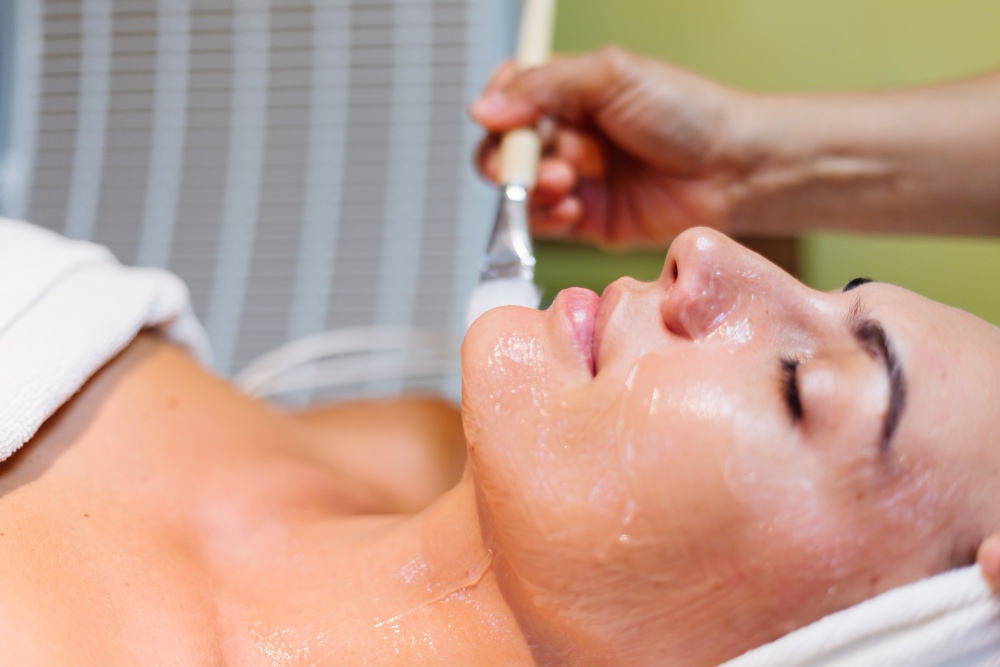
The process often includes these steps:
- Skin cleansing
- Application of the peel solution
- Controlled skin reaction
- Neutralizing the peel
- Post-treatment care
The treatment usually takes about 20 to 30 minutes.
You may feel mild tingling or warmth during the procedure. This feeling settles quickly.
Most people need multiple sessions for best results.
What Results Can You Expect?
Chemical peels improve skin gradually.
Results may include:
- Brighter skin tone
- Reduced acne marks
- Smoother texture
- Fewer breakouts
- Even pigmentation
Some people notice changes within a week. Full improvement often appears after several sessions.
Your dermatologist will guide the right number of treatments.
Who Is a Good Candidate for Chemical Peels?
Chemical peels work well for many people. The treatment is suitable if you have:
- Acne or oily skin
- Dark spots or pigmentation
- Rough skin texture
- Mild acne scars
- Dull or tired skin
A skin consultation helps determine the best peel type.
Your dermatologist studies:
- Skin type
- Sensitivity
- Existing skin problems
- Treatment goals
This ensures safe and effective results.
How to Care for Your Skin After a Chemical Peel
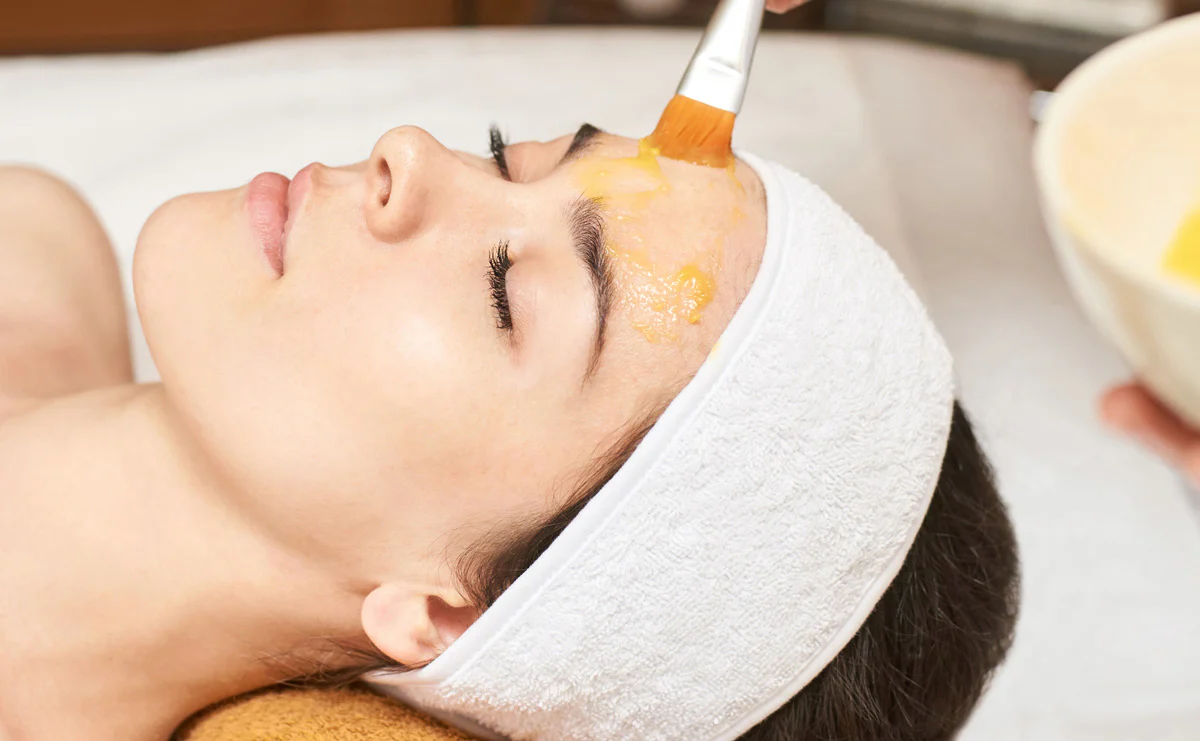
Post-treatment care plays a big role in results.
Your dermatologist may advise simple steps such as:
- Using sunscreen daily
- Avoiding harsh skincare products
- Keeping skin moisturized
- Avoiding direct sun exposure
These steps help protect new skin while it heals.
Healthy skincare habits also maintain long-term results.
Why Dermatologist-Guided Peels Are Important
Many over-the-counter peels are available today. These products may promise fast results.
But professional peels are safer and more effective.
Dermatologists provide:
- Skin analysis before treatment
- Correct acid strength
- Controlled application
- Safe post-treatment care
Without expert guidance, strong acids can cause irritation or pigmentation.
Professional care ensures the treatment works safely for your skin.
Skinzone Clinics – Dermatology & Aesthetic Care in Borivali, Mumbai
Skinzone Clinics in Borivali, Mumbai, offers dermatology, aesthetic, and trichology care with a clear, evidence-based approach. Treatments focus on long-term skin health and natural-looking results through safe and personalized procedures.
Our services include:
Medspa care such as HIFU, Microdermabrasion, Skin Polishing, Anti Ageing, Medifacials, Hydra Facial, Skin Tightening Laser, and Laser Toning
Botox and fillers including Derma Fillers, Botox, Thread Lift, and Facelift
Skin and hair treatments for pigmentation, vitiligo, acne, scars, dandruff, alopecia, hair loss, nails, and more
Laser procedures for pigmentation, hair removal, and fractional resurfacing
IV therapies with Glutathione, Vitamin C, and Multi Complex Vitamins
Frequently Asked Questions
Are chemical peels safe for all skin types?
Yes. Dermatologists adjust the peel strength based on your skin type. This ensures safe treatment for most skin tones.
How many chemical peel sessions do I need?
Most people need 3 to 6 sessions. The exact number depends on your skin concern and treatment goals.
Do chemical peels hurt?
Most patients feel mild tingling or warmth. This sensation lasts only a few minutes.
Can chemical peels remove acne scars?
Superficial peels help with mild acne marks. Medium peels can improve deeper scars.
Will my skin peel after the treatment?
Some mild peeling may occur for a few days. This is part of the skin renewal process.
Can chemical peels brighten dull skin?
Yes. Chemical peels remove dead skin cells and stimulate fresh skin growth. This improves skin brightness and clarity.
How soon can I return to normal activities?
Most people resume daily activities immediately after superficial peels. Medium peels may need a few days of recovery.
Conclusion
Chemical peels are a proven dermatology treatment for acne, pigmentation, and dull skin. They remove damaged skin layers and support fresh skin renewal. The result is smoother, brighter, and healthier skin over time. The key is choosing the right peel and receiving treatment under expert care. At Skinzone Clinics in Borivali, experienced dermatology care helps you choose the right solution for your skin goals and long-term skin health.