
Hyperhidrosis
Hyperhidrosis, or excessive sweating, can be an embarrassing and uncomfortable condition. It affects many people, often causing social anxiety and affecting daily life. This blog will explore what hyperhidrosis is, its causes, symptoms, and when it’s time to seek treatment. By the end of this article, you’ll understand how to manage this condition effectively.
What is Hyperhidrosis?
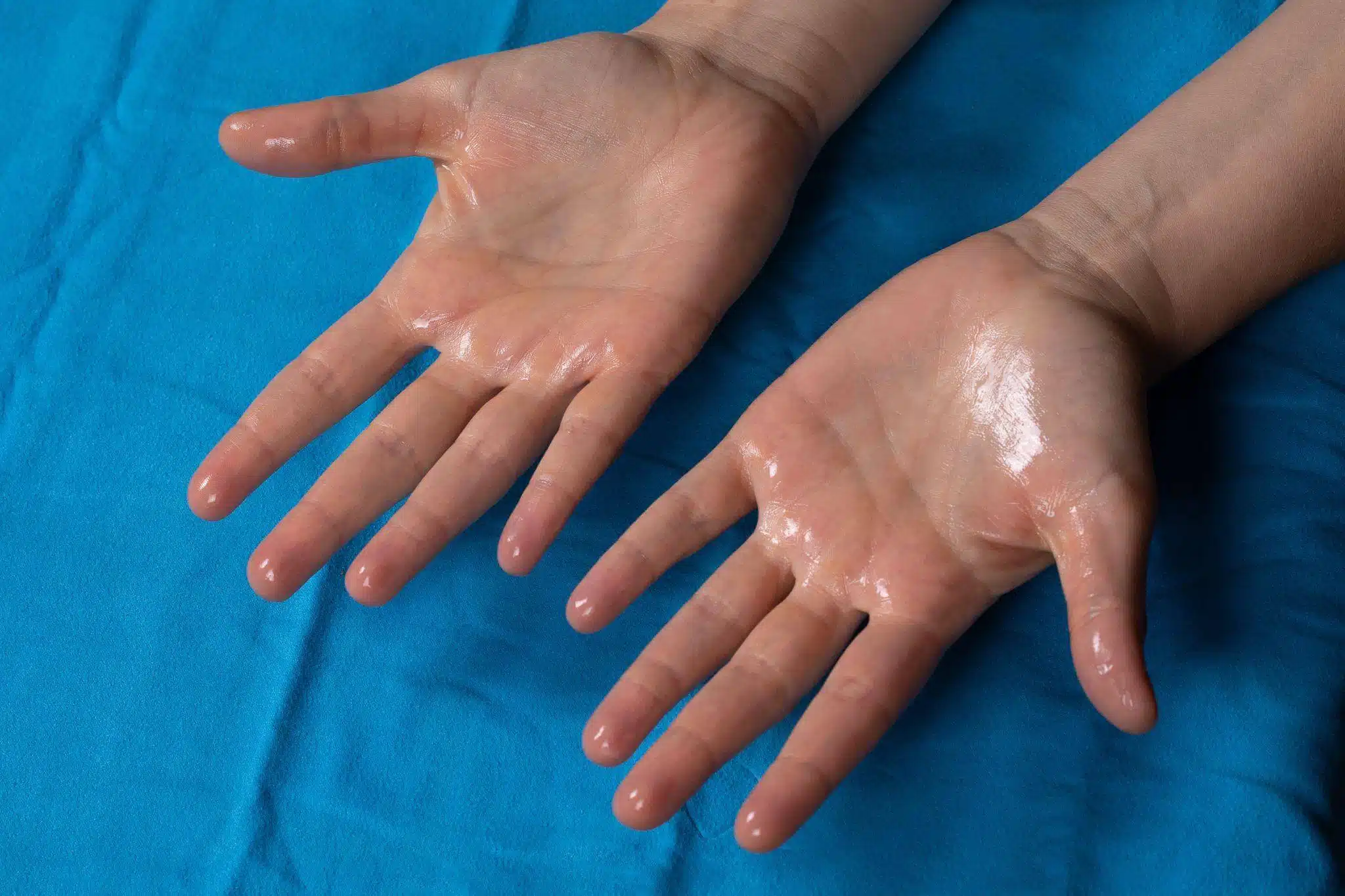
Hyperhidrosis is a condition that causes the body to produce an excessive amount of sweat, more than what is needed to regulate body temperature. It can occur anywhere on the body but is most common in the palms, feet, underarms, and face.
Types of Hyperhidrosis
- Primary Hyperhidrosis: This type is not caused by any underlying medical condition. It usually begins in childhood or adolescence and affects specific areas like the hands, feet, and underarms.
- Secondary Hyperhidrosis: This type is caused by another medical condition, such as diabetes, menopause, or thyroid problems. It affects larger areas of the body.
Causes of Hyperhidrosis
The exact cause of primary hyperhidrosis is not fully understood. However, it is believed to be related to overactivity of the sweat glands, controlled by the sympathetic nervous system. In secondary hyperhidrosis, the cause is usually linked to an underlying condition, such as:
- Hormonal changes: These include menopause, pregnancy, or puberty, which can lead to excessive sweating.
- Medical conditions: Diabetes, hyperthyroidism, infections, or neurological disorders may contribute to secondary hyperhidrosis.
- Medications: Some drugs, like antidepressants and painkillers, can trigger excessive sweating.
- Stress and anxiety: Emotional triggers are common causes of excessive sweating, especially in social situations.
Symptoms of Hyperhidrosis
The main symptom of hyperhidrosis is excessive sweating. Other common signs include:
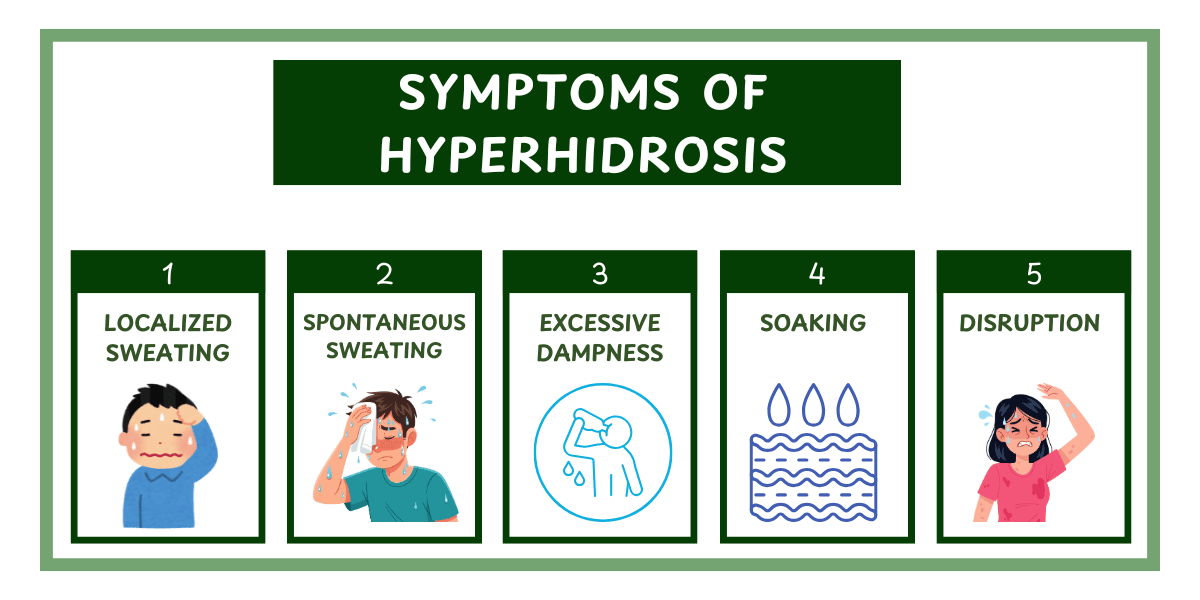
- Sweating occurs in specific areas like the palms, feet, underarms, or face.
- Sweating happens even when the body does not need to cool down, such as when you are resting or in cool environments.
- Damp or sweaty clothing, even when you haven’t been physically active.
- Wetness that can soak through clothes or cause discomfort.
- Sweating that interferes with daily activities or social situations.
Impact on Daily Life
Hyperhidrosis can have a significant impact on your personal and social life. You might feel embarrassed or self-conscious, especially in professional or social settings. It can also affect your relationships, leading to feelings of isolation or anxiety. Managing hyperhidrosis effectively is crucial for improving quality of life.
When to Seek Treatment for Hyperhidrosis
You should consider seeking treatment for hyperhidrosis if:
- The sweating is interfering with your work, social activities, or daily tasks.
- You are feeling self-conscious or anxious because of excessive sweating.
- Home remedies or over-the-counter treatments are not providing relief.
- You experience sweating in areas other than the hands, feet, or underarms.
- You suspect that an underlying medical condition may be causing the sweating.
If any of these apply to you, it’s time to speak with a medical professional to discuss treatment options.
Treatment Options for Hyperhidrosis
There are several treatment options available for hyperhidrosis, depending on the severity of the condition. These include:
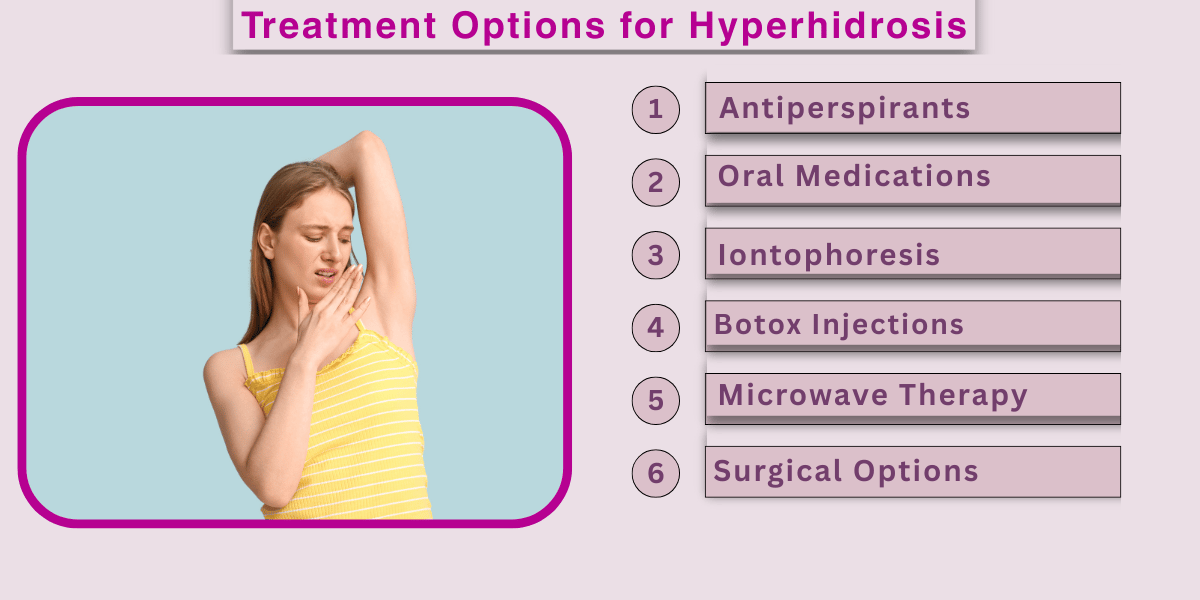
- Antiperspirants: Clinical-strength antiperspirants can help control excessive sweating. These are stronger than regular over-the-counter products and often contain aluminum chloride, which blocks sweat glands.
- Oral Medications: Anticholinergic medications can reduce sweating by blocking the chemicals that trigger sweat production.
- Iontophoresis: This technique uses a weak electrical current to block sweat glands temporarily.
- Botox Injections: Botox can be injected into the skin to block the signals that trigger sweat production. It is commonly used for underarm, hand, and foot sweating.
- Microwave Therapy: Microwave treatments destroy sweat glands, reducing excessive sweating.
- Surgical Options: In severe cases, surgery may be recommended. This can include removing sweat glands or interrupting nerve signals that trigger sweat production.
How Skinzone Clinics Can Help
Skinzone Clinics in Borivali, Mumbai, offers dermatology, aesthetic, and trichology care with a clear, evidence-based approach. Treatments focus on long-term skin health and natural-looking results through safe and personalized procedures.
Our services include:
- Medspa care such as HIFU, Microdermabrasion, Skin Polishing, Anti Ageing, Medifacials, Hydra Facial, Skin Tightening Laser, and Laser Toning
- Botox and fillers including Derma Fillers, Botox, Thread Lift, and Facelift
- Skin and hair treatments for pigmentation, vitiligo, acne, scars, dandruff, alopecia, hair loss, nails, and more
- Laser procedures for pigmentation, hair removal, and fractional resurfacing
- IV therapies with Glutathione, Vitamin C, and Multi Complex Vitamins
FAQs about Hyperhidrosis
1. What causes hyperhidrosis?
Hyperhidrosis can be caused by overactive sweat glands or an underlying medical condition such as diabetes or hyperthyroidism.
2. How can I stop excessive sweating naturally?
Home remedies like using clinical-strength antiperspirants or wearing loose, breathable clothing may help manage sweating.
3. Can Botox help with excessive sweating?
Yes, Botox injections can block the nerves that trigger sweating, providing relief for up to six months.
4. Is surgery the only option for severe hyperhidrosis?
Surgery is a last resort and is only recommended when other treatments have not been effective.
5. Can stress cause excessive sweating?
Yes, stress and anxiety can trigger excessive sweating, especially in social or high-pressure situations.
Conclusion
Hyperhidrosis is more than just a cosmetic concern; it can affect your daily life and emotional well-being. Understanding the causes and symptoms of excessive sweating is the first step toward managing it effectively. If home treatments aren’t enough, it’s important to seek expert care. At Skinzone Clinics, we offer a range of treatments designed to help you manage hyperhidrosis and regain your confidence. If you’re struggling with excessive sweating, don’t hesitate to get in touch with us for a consultation.
